

Satoyama Restoration: Before and After
See how we have restored farmland with the help of our cows.
MooMow World, Tomioka
See the Satoyama Map for the locations of Plots 1–7!
Click ‘Learn more’ beside a plot’s photographs to open YouTube or Instagram in a new tab and see photographs and videos of the plot from other angles.
Instagram may display a pop-up when the tab opens. Click × to dismiss it and view the content. You can view it without signing in to Instagram.
Plot 1
Before
Learn more here
After


This was the first place where we let the two cows graze. On that first day, after being kept in the barn to recover from colds caught during an intense cold spell, they were astonished and cautious at first. Then they became delighted, dancing and running into the thicket.
Plot 2
Before
Learn more here

Plot 2: approximately 0.6 hectares. Before the cows had finished grazing Plot 1, we built fencing around Plot 2 across the road. After driving perimeter posts and running electric wire, we fenced off trees within the plot—including the cherry trees planted by the landowner’s ancestors, the large maple and naturally growing mulberries—to protect them before bringing in the cows.
After
Learn more here

Changes in Vegetation (Succession)
Before: tall goldenrod, heath aster, mugwort, silver grass, wild roses, orchard grass, ragweed, wisteria, kudzu and kuma bamboo grass
After eight months: field horsetail, henbit, Japanese lawn grass, shepherd’s purse, green foxtail and violets. The original plants have not disappeared completely; they remain at a shorter height.


Plot 4
Before
Learn more here
After
Learn more here
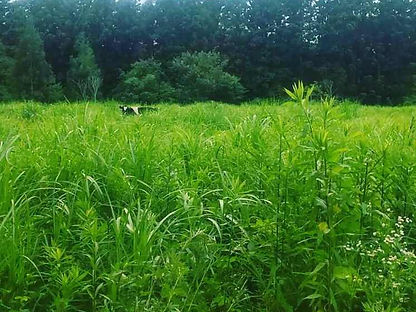
Delighted by this mountain of food, the cows pushed through weeds taller than themselves and ate with moo-tastic enthusiasm.

Once the cows had eaten the tall vegetation, sunlight reached the ground more evenly, giving low-growing plants a chance to thrive. The vegetation is becoming more diverse.
Plot 5
Before
Learn more here
After

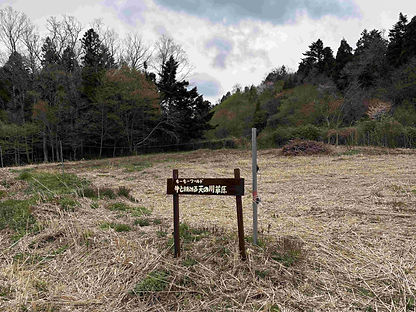
Kudzu, bamboo grass and a huge amount of bamboo. Clearing the perimeter to install fencing was exhausting: tangled kudzu vines meant we could advance only a metre at a time.
Plot 6
Before
Learn more here

The tall goldenrod stood 1.7 metres high on the eastern side and 2.5 metres on the western side.
After
Learn more here

Two weeks of grazing in autumn 2023 cleared most of the thicket. A few tall goldenrod stems remained, but they fell and returned to the soil the following year. Some old silver-grass leaves were also left, but as cows pushed them aside with their muzzles to reach fresh shoots, they flattened them into the soil. The few leaves they could not separate were eaten along with the new growth.


What Makes Cows Such Remarkable Satoyama Restorers?
• They eat grass in remarkable quantities!A dairy-sized cow is said to eat 60 kg of fresh grass a day.
• They tackle more than grass—they can bring down trees too!Even farmland that has turned into woodland can become grassland again. Cows stretch up to eat leaves, reducing photosynthesis,
and rub vigorously against trunks to scratch themselves. Gradually, trees
can die back and fall.
• Microorganisms in their stomachs digest even the fibre in the grass. Their nutrient-rich manure helps restore a well-aggregated structure,
making the soil soft and crumbly again.
• A few tall grasses and shrubs tend to dominate unmanaged land. When cows eat and
trample the vegetation, sunlight reaches the ground again, restoring plant diversity.

