
How Donations Are Spent
Your donations support the following needs.
Materials for Expanding and Maintaining the Pasture
Materials for Electric Fencing
Purpose
Enclosing grazing plots to prevent cows from wandering outside them.
Materials
Batteries, solar panels, wire, gate handles, steel pipes, insulators and more
Maintenance
In plots left unused for a while as cows move elsewhere, vigorous summer growth can push up and bend the wire, requiring repairs. Vegetation touching the wire also causes electrical leakage, so the fence line needs regular mowing.


Cowsheds and Temporary Tent Shelters
Purpose
Our cows graze outdoors day and night throughout the year, but we build shelters where they can escape wind and rain. Older cows and former dairy cows accustomed to warm barns can shelter on freezing nights. If a grazing cow becomes unable to stand through injury or illness, we build a temporary tent shelter around it and provide care there.
Materials
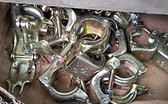
Cowsheds: steel pipes, clamps, plastic sheeting, corrugated roofing, bamboo and thatch (local natural resources available at no cost), hemp twine and other materials
Temporary tent shelters: steel pipes, clamps, ropes, plastic sheeting, garage tents and similar materials



Winter Feed — Home-produced and Purchased
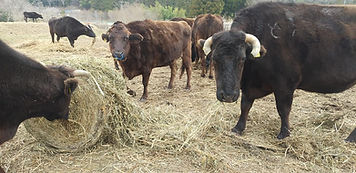
For winter, when fresh grass no longer grows in the pasture, we borrow local abandoned farmland during summer to make our own wild-forage bales.
We buy fresh forage and whole-crop silage for older cows that can only eat tender fresh grass, and when our own bales are insufficient for the younger cows too.
Making Our Own Forage Bales
We spend sunny summer days making bales to secure feed for winter!
See how we make the bales here
Machinery and Materials
Bale-making equipment: mower, rake, round baler, bale wrapper and a tractor with a grab attachment
We repair and use machinery donated by farmers or bought second-hand. It also needs regular maintenance and diesel fuel.
Bale transport: three mini-trucks. Each can carry only two bales, so repeated trips to the storage area are needed.
Materials: bale wrap and baler twine


Purchased Feed
Types of Feed
Whole-crop silage, fresh forage, imported hay and more
In 2024, we purchased 100 bales of whole-crop silage.


Securing Water
A cow is said to drink 60 litres of water a day. A sufficient supply of fresh water is a matter of life and death.
At MooMow Garden in Okuma, we pipe stream water from the nearby hills to the cows.
At MooMow World in Tomioka, there is no stream water we can use. Local residents kindly let us use their wells, and we transport the water in plastic tanks.
Securing and Supplying Water
Materials
Hoses and connectors for supplying stream water (old hose sections can sometimes serve as connectors), plastic tanks for carrying well water, and drinking troughs for the cows
All of these are continually exposed to the elements and deteriorate over time. We repair them wherever possible, but replacements are still necessary.


